Machu Picchu 3D SVG: A Striking Design Asset for Travel & Culture Blogs
First Impressions: Bold, Artistic, and Globally Inspired
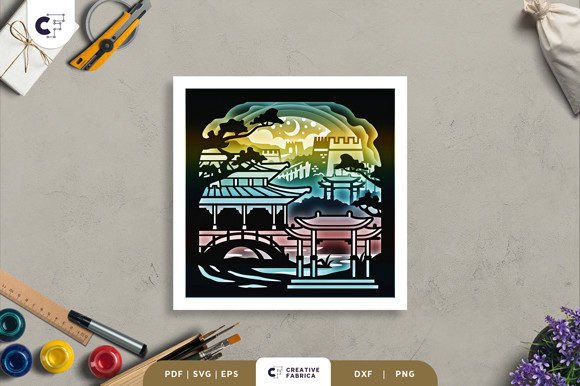
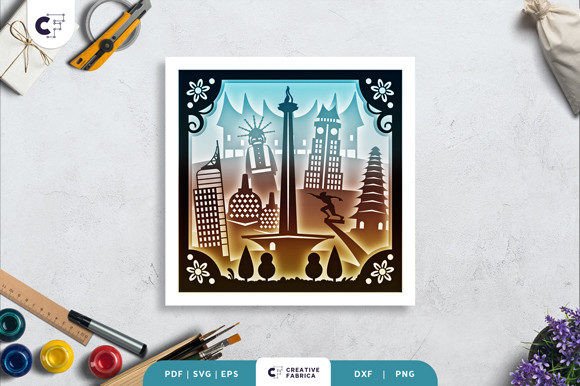
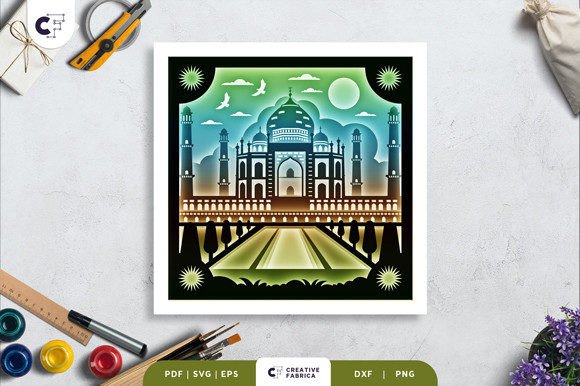
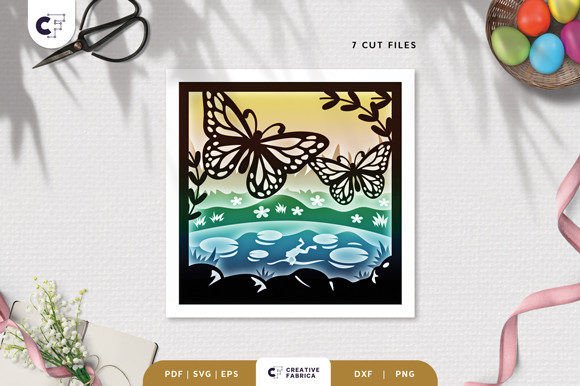
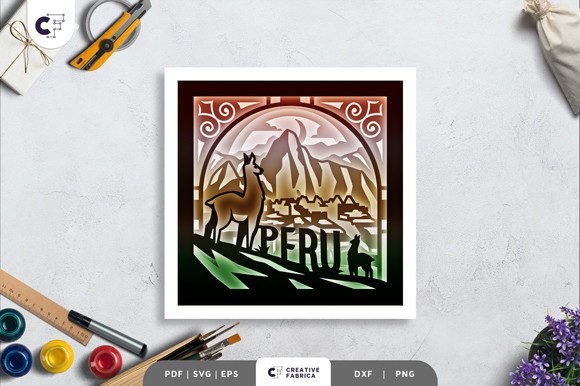
As a blog designer who evaluates dozens of design assets each month, the Machu Picchu, Peru 3D Shadow Box immediately stood out for its depth, cultural resonance, and editorial potential. This isn't just a flat illustration—it's a layered, dimensional SVG that evokes a sense of craftsmanship and visual storytelling. The square paper-cutting style gives it a tactile, handmade quality, while the 3D layering adds visual interest that works well in both digital and printable formats.
From a publishing perspective, this graphic design asset leans into a travel, history, or cultural niche naturally. It feels artistic, modern, and slightly nostalgic, making it ideal for bloggers and content creators focusing on travel guides, UNESCO World Heritage sites, South American culture, or educational content around ancient civilizations.
Real-World Use Cases for Bloggers and Digital Publishers
Let’s talk about how this 3D SVG can be integrated into a content publishing workflow. Here are some practical applications I tested during my review:
- Blog Featured Images – Works beautifully as a background or accent in travel-related articles, especially when paired with soft typography and earthy color palettes.
- Pinterest Graphics – The layered silhouette makes for a strong visual hook, helping content stand out in crowded Pinterest feeds.
- Newsletter Headers – Scaled down, it still maintains clarity, making it perfect for travel-themed newsletters or digital guides.
- Downloadable Printables – Whether used in travel checklists, cultural infographics, or destination guides, it adds a premium, handcrafted feel.
- Social Media Previews – Ideal for Instagram Stories or Facebook posts promoting travel content or educational material about Peru.
How Machu Picchu, Peru 3D Shadow Box Elevates Content Performance
In the world of content marketing and affiliate publishing, visual consistency and clarity are critical. This design asset contributes in several key ways:
- Stronger First Impressions – The 3D effect catches the eye and adds a sense of depth to visuals that flat images often lack.
- Improved Visual Hierarchy – It can act as a focal point or supporting graphic, helping readers quickly understand the theme of the content.
- Higher Click-Through Potential – Especially on Pinterest and social media, where strong visuals drive engagement, this asset stands out.
- Consistent Branding – If your niche is travel or cultural education, this SVG reinforces your visual identity across digital products and blog graphics.
- Better Reader Trust – Professionally designed elements like this help establish credibility and polish in your content presentation.
Where This 3D SVG Shines the Brightest
Based on my testing across platforms and design tools like Canva and Photoshop, here are the best use cases for this graphic design asset:
- Hero Images – Especially on landing pages for travel guides or destination-based digital products.
- Article Thumbnails – When resized properly, it maintains clarity and becomes a recognizable visual cue for your content.
- Editorial Accents – Use it as a decorative divider or sidebar graphic in editorial layouts to break up long-form content.
- Content Upgrades – Add it to downloadable resources like travel checklists or cultural guides to enhance perceived value.
- Category Visuals – Perfect for organizing travel-related blog sections or sub-niches like “South America Travel” or “Historical Destinations.”
When to Use It with Care
While this asset is versatile, it’s not a one-size-fits-all solution. Here are situations where you may want to use it more strategically:
- Small Mobile Thumbnails – The layered detail can get lost on tiny screens, so always test responsiveness.
- Text-Heavy Blog Images – The complexity of the 3D layers might compete with headline text, reducing readability.
- Low-Contrast Backgrounds – If placed over light or patterned backgrounds, it may lose definition unless adjusted with drop shadows or outlines.
- Busy Layouts – In already complex designs, this asset could add visual clutter rather than clarity.
- Corporate or Minimalist Niches – For serious professional content or brands with ultra-clean aesthetics, this design might feel too decorative.
Publisher’s Checklist: Practical Notes Before You Publish
Before you drop this SVG into your next blog post or digital product, here are a few real-world tests to run:
- Test on Desktop and Mobile Screens – Ensure the 3D layers remain visible and legible on all devices.
- Preview in a Real Blog Layout – See how it integrates with your existing color scheme, fonts, and layout structure.
- Try It with Headline Text – Overlay common headline fonts (serif, sans-serif, script) to ensure contrast and readability.
- Check File Size for Web Performance – SVGs are generally lightweight, but complex layers can add bulk. Compress if needed.
- Confirm Commercial Licensing – If you're using this in affiliate marketing, paid newsletters, or lead magnets, make sure the license allows for commercial use.
Final Thoughts: A Valuable Addition to Your Design Toolkit
The Machu Picchu, Peru 3D Shadow Box is more than a decorative SVG—it's a functional design asset that supports better content presentation, reader engagement, and brand storytelling. Whether you're a travel blogger, online educator, or digital marketer in the cultural niche, this 3D graphic can elevate your visual strategy across blog graphics, social media, and downloadable content.
Used thoughtfully, it adds depth, interest, and professionalism to your editorial and marketing materials. And in today’s competitive content landscape, that’s exactly what you need to stand out.